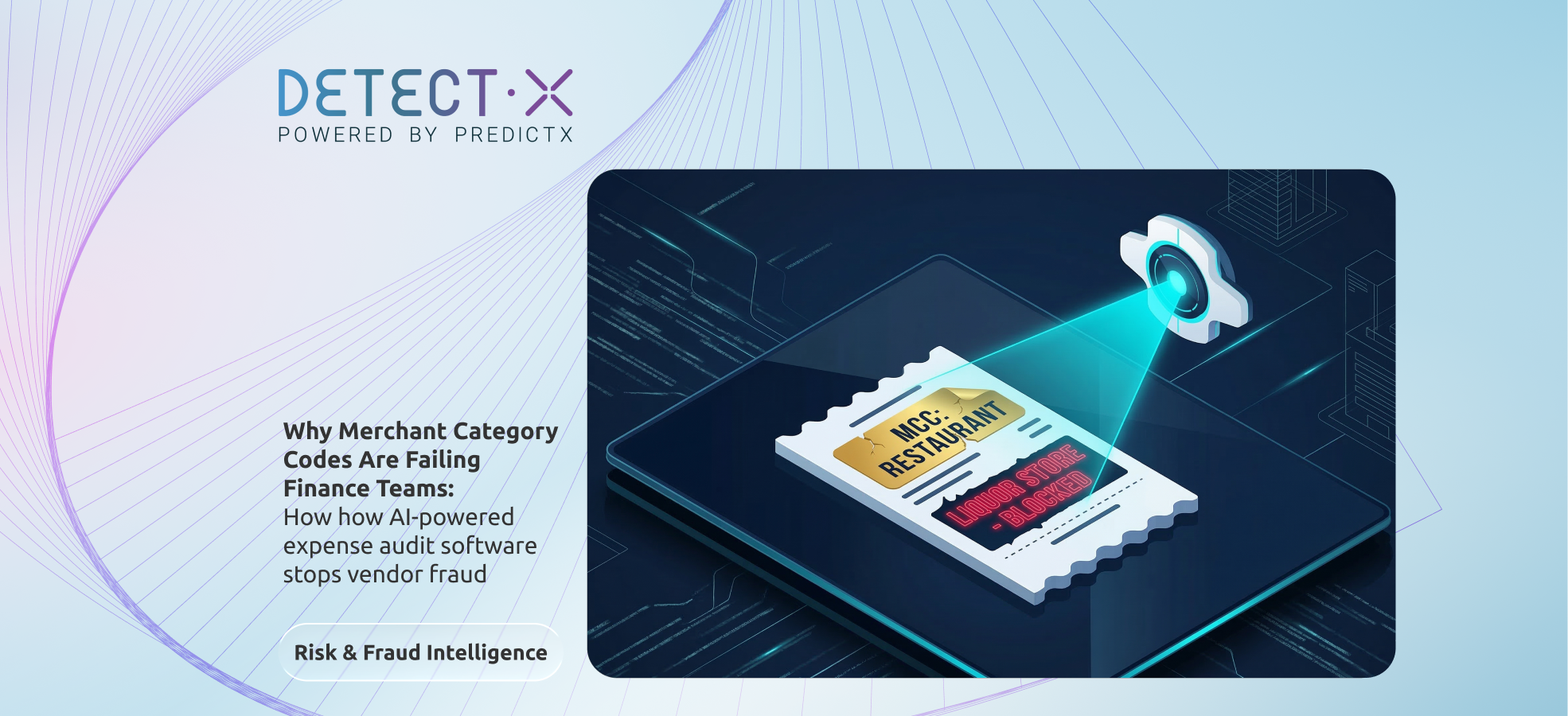
Modern fraud is getting faster and smarter. Within the travel and expense sector, financial leakage is often hidden in plain sight as new technologies and malicious entities easily bypass outdated auditing systems. A fundamental flaw in traditional corporate expense management is the heavy reliance on Merchant Category Codes (MCC). While historically useful, these codes now form massive blind spots for manual audits and legacy automated tools. The scale of the threat is significant, necessitating a critical shift toward advanced AI and automation in finance.
1. What is the fundamental problem with relying on Merchant Category Codes for expense fraud detection?
The core issue is that Merchant Category Codes are self-assigned by the merchant, meaning malicious vendors can easily manipulate them to disguise the true nature of their business. Legacy systems that depend on these static, self-assigned codes fail to understand the true context of the transaction, allowing out-of-policy items to bypass automated controls completely and undermining true expense fraud audits.
2. How does this reliance impact global expense management and corporate compliance?
The impact is substantial, often resulting in unseen financial leakage, regulatory risks, and rampant vendor fraud. When businesses rely on potentially inaccurate MCCs, they open the door to severe mis-categorization. This severely limits a travel manager's ability to enforce expense policy compliance effectively.
Employees might exploit these loopholes through accidental fraud or deliberate expense report abuse, knowing that the system will automatically approve the transaction based on a manipulated code. Furthermore, this lack of accurate merchant data makes identifying true vatable expenses and maintaining comprehensive VAT and tax receipt compliance incredibly difficult.
3. How are next-generation expense auditing solutions like DetectX helping corporates overcome the MCC manipulation problem?
These issues are overcome by shifting from a reactive auditing stance to a proactive strategy powered by next-generation AI. Rather than retrofitting AI into outdated frameworks, modern solutions are built to eliminate MCC dependency. For instance, an AI-driven audit suite like DetectX uses deep vendor intelligence to proactively identify and verify every vendor within permitted categories. This approach ensures early detection of suspicious vendors at the transaction level, often before internal credit card departments even flag the issue.
4. What role does machine learning in spend analytics play in verifying merchants accurately?
Machine learning in spend analytics completely redefines how corporations classify and verify their vendors. Instead of trusting self-declared categories, advanced platforms utilize neural network-based independent classification. The AI analyzes learned data and conducts independent vendor research to accurately determine the most likely expense type for each vendor.
By combining this contextual intelligence with real-time monitoring, systems like DetectX can surface behavioral risk patterns and catch sophisticated expense misclassifications that rule-based systems simply miss. This proactive approach to modern fraud challenges ensures unwavering compliance and protects the corporate bottom line.
Related Posts

Modern Fraud Challenges: Outpacing Traditional Defenses

DetectX vs. Alternatives: Why Our AI Expense Audit Software Delivers Unrivaled Results