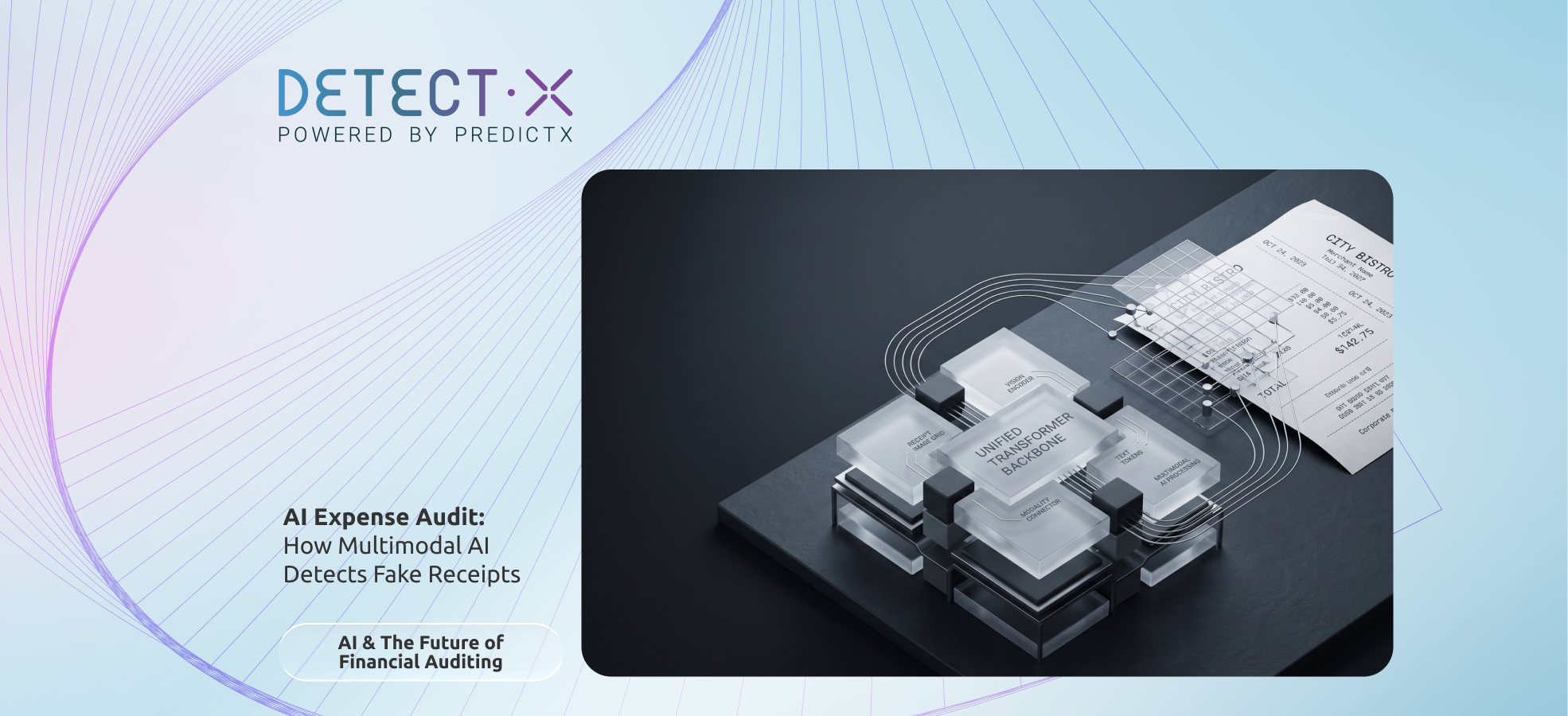
The corporate travel environment is facing an unprecedented surge in sophisticated expense fraud. Within this landscape, fraudulent receipts and AI-generated receipts easily fool legacy systems. However, next-generation AI is changing the paradigm. Multimodal Large Language Models, or Vision-Language Models, are revolutionizing how the digital finance function processes visual content. This represents a monumental shift from basic text extraction to true semantic comprehension, empowering travel and expense managers to unlock unwavering financial protection.
Why are legacy OCR systems failing corporate travel and expense managers today?
Legacy Optical Character Recognition relies on a modular, rule-heavy pipeline that simply cannot manage the complexity of modern business expenses. These traditional tools excel at literal character recognition under perfect conditions, but they fail entirely when confronted with degraded documents, handwritten notes, or semantically complex visuals.
The traditional process involves image preprocessing, layout analysis, and character recognition using classical methods to extract plain text strings. This design prioritizes precision on clean text but struggles immensely with contextual understanding. For instance, a legacy system cannot distinguish a menu price from a total due without explicit semantic cues. Furthermore, error propagation across these rigid stages is incredibly common, meaning poor segmentation directly leads to misrecognized characters and a high volume of false positives.
What role does contextual understanding play in uncovering hidden fraud?
By utilizing in-house developed AI vision paired with Large Language Models, modern platforms review every receipt line by line to build a complete narrative. This contextual understanding is the ultimate weapon for fake receipt detection.
Advanced receipt authenticity models detect falsified, doctored, or AI-generated fake receipts through pixel-level manipulation patterns, font consistency checks, and geometric distortion analysis. Because the AI understands layout and spatial reasoning, it inherently understands the reading order in tables and the relationships between non-text elements. This precise pixel-level analysis delivers a remarkable 99.7% accuracy for fake receipt detection. It actively uncovers hidden fraud by assessing context rather than relying on simple keyword matching.
What measurable impact does this technology have on the finance function?
The transition to an AI-native approach creates an immediate, quantifiable return on investment. By eliminating traditional OCR reliance and deploying proprietary tools for expense management, companies experience transformational improvements across their operations:
- Unparalleled Accuracy: Next generation AI-audit technology delivers five times fewer false positives compared to legacy rule-based systems.
- Efficiency Gains: Travel and expense managers see an 80 to 90 percent reduction in manual review workload.
- Proactive Fraud Prevention: This next-generation AI catches five times more fraud before reimbursement occurs through behavioral analytics.
- Cost Savings at Scale: Clients experience an average 30% dollar savings on non-compliant spend identified by the platform.
- Global Scale: Multi-modal AI can read, interpret, and translate receipts across 70 plus languages without relying on external APIs.
By leveraging this AI-driven analytics framework, businesses shift from a reactive procurement stance to proactive expense management solutions. This empowers organizations to stop financial leakage before it happens, transforming the AI expense audit from a tedious necessity into a strategic driver of corporate cost control.
Related Posts
.png)
The Silent Surge: Combating AI-Generated Fake Receipts with Intelligent Automation

Modern Fraud Challenges: Outpacing Traditional Defenses